
Public Wastewater Utility
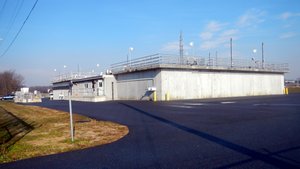
Public sewer service in portions of Penn Township is provided by the Northwestern Lancaster County Authority (NWLCA). The public wastewater system serves developed areas primarily east and south of Manheim Borough and conveys wastewater to the NWLCA Wastewater Treatment Plant.
On-Lot Septic Systems
Properties that are not served by the public sewer system generally rely on on-lot septic systems for wastewater treatment. Some properties may also be served by private community wastewater systems.
Penn Township requires on-lot septic systems to be properly maintained and pumped at least once every three years. The Township tracks the pumping cycle and notifies property owners when pumping is due.
View Registered Septic Haulers – 2026 →
The U.S. Environmental Protection Agency’s SepticSmart program provides information to help homeowners properly care for and maintain their septic systems. Regular maintenance can help prevent costly repairs, protect groundwater and nearby waterways, and extend the life of a septic system.

Caring for Your Septic System
Proper use and regular maintenance can help extend the life of an on-lot septic system and reduce the risk of costly repairs.
- Conserve water. Repair leaking faucets and toilets, use water-efficient fixtures, and avoid using large amounts of water at one time.
- Spread out laundry. Avoid washing multiple loads back-to-back, which can overload the system with wastewater.
- Use your system only for wastewater. Do not flush wipes, diapers, feminine hygiene products, cigarette butts, cat litter, or other items that do not break down easily.
- Keep grease and oils out of drains. These materials can cause problems within the septic system.
- Avoid using a garbage disposal when possible. Food waste increases the amount of solids entering the septic tank.
- Do not pour paint, solvents, chemicals, or unused medications down drains or toilets.
- Have the septic tank pumped through the main access opening rather than an inspection port.
- Maintain the system regularly and address problems promptly.
You must be logged in to post a comment.